The origins
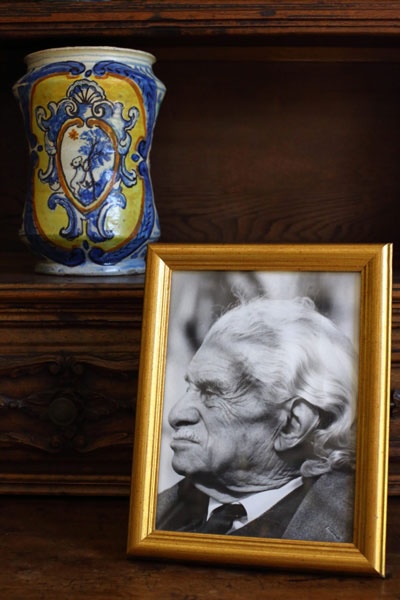
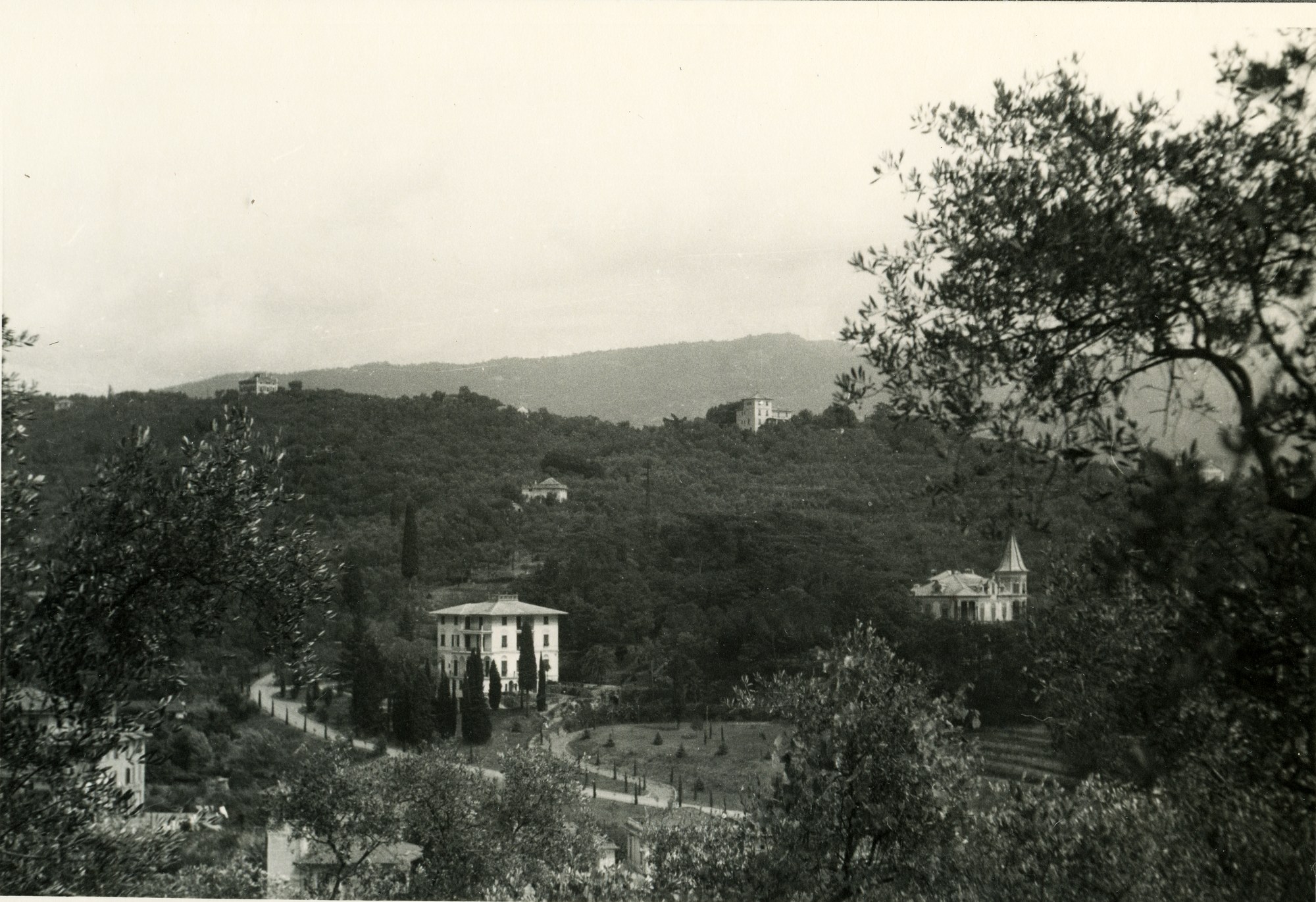
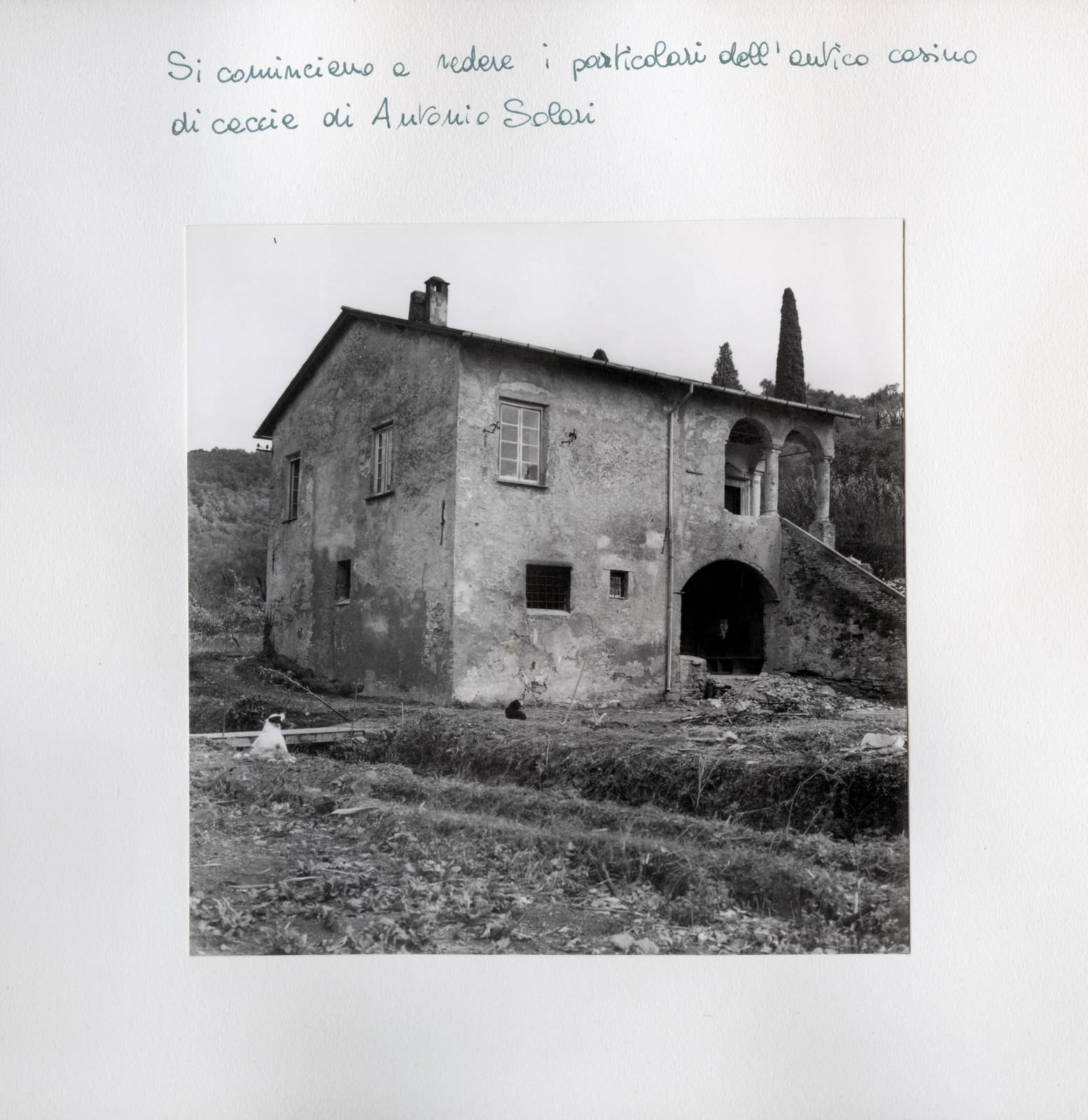
In the late 16th century, Antonio Solari — a member of the important Leivi family and captain of the Leivi valley on behalf of the Republic of Genoa — had a hunting lodge built on his lands at Casale, near Chiavari. Over the centuries the function of the house changed: by the 18th century it had become a vicarage. At the beginning of the 19th century, with the arrival of the Napoleonic Republic, the Solari coats of arms carved into the slate door frames were chiselled away, the building became a farmworkers' dwelling, and all memory of its former glory was lost. In 1899 it formed part of the land purchased from the Marchese Centurione by Eugenio Ottone (1860–1939), who intended to build two villas for his two daughters. Eugenio had emigrated from Genoa to Argentina at the age of 16, where he had found a new outlet for the family business in olive oil importing and food preserves. But he was determined to return to Genoa to give his daughters a 'European' future. Back in Chiavari, where some of his brothers lived, he set about building two villas. The first was Villa Rossa, which still stands at the end of the present-day Corso Millo, completed in 1900, and then Villa Bianca on the hillside overlooking Via Santa Chiara, completed in 1915 and destined for his younger daughter Amalita, who had married Carlo Raffaele Bombrini. Villa Bianca also came with agricultural land known as Terra Baranina, with two farmhouses.
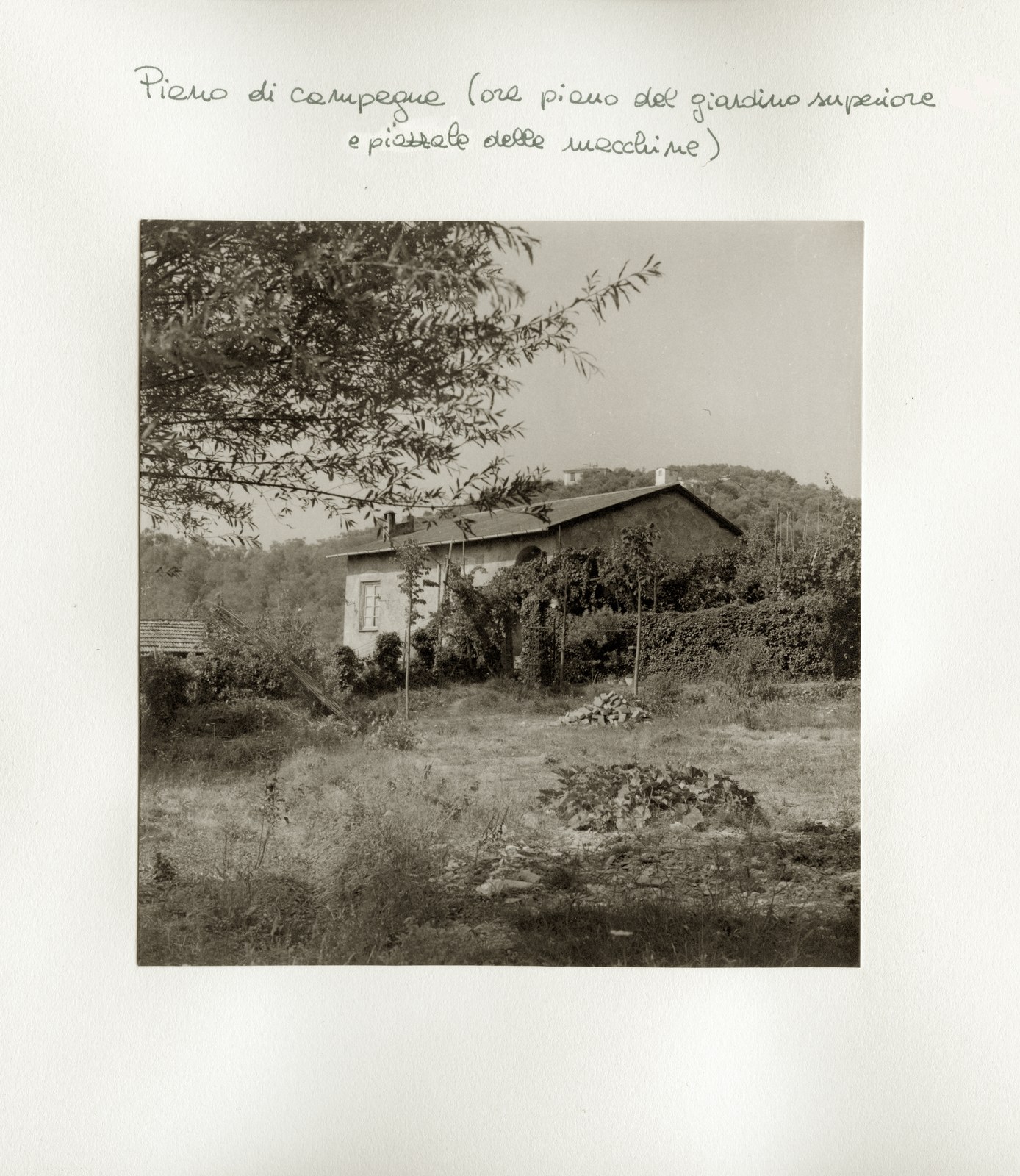
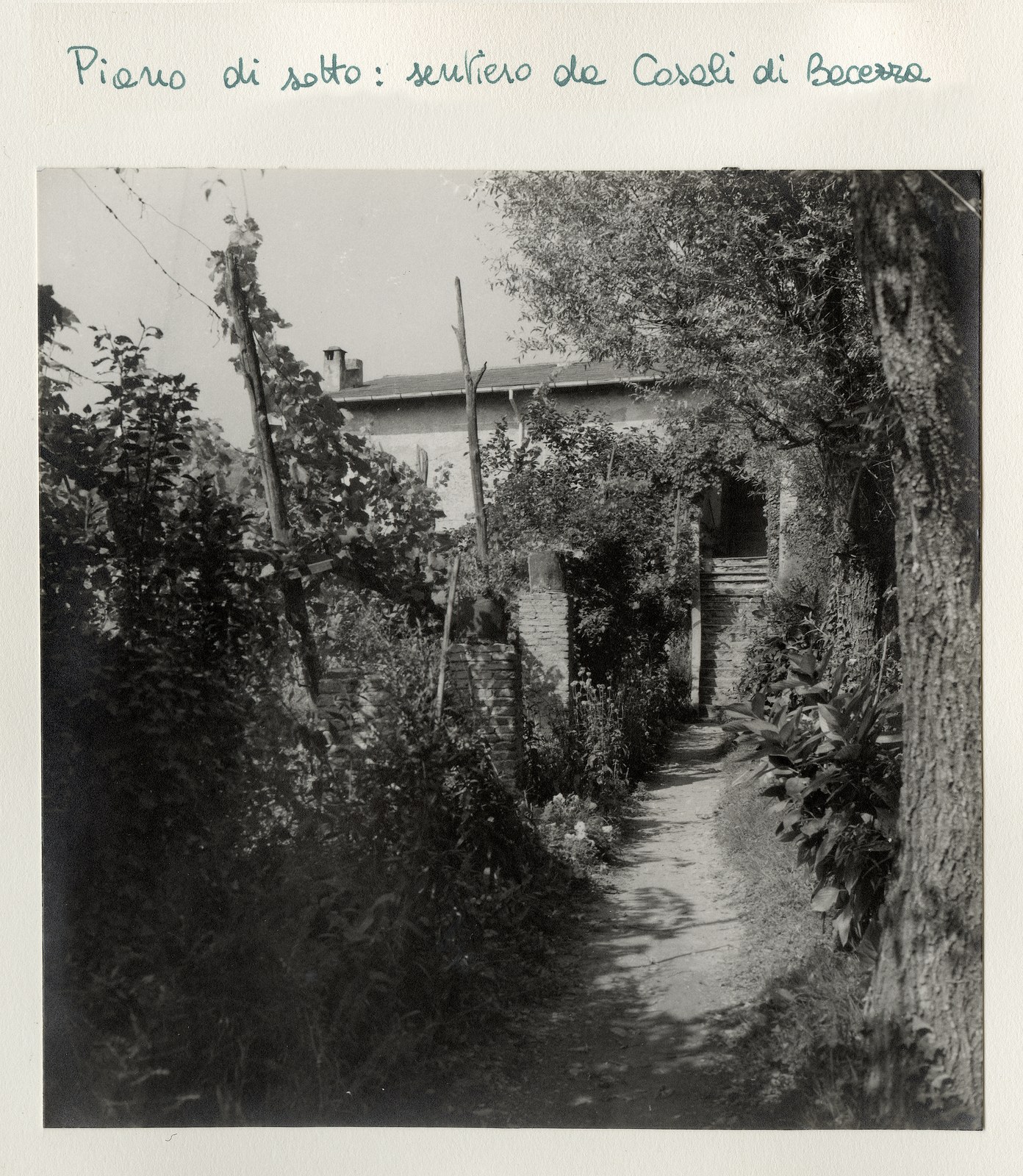
of the house
1957 – The rediscovery of the house
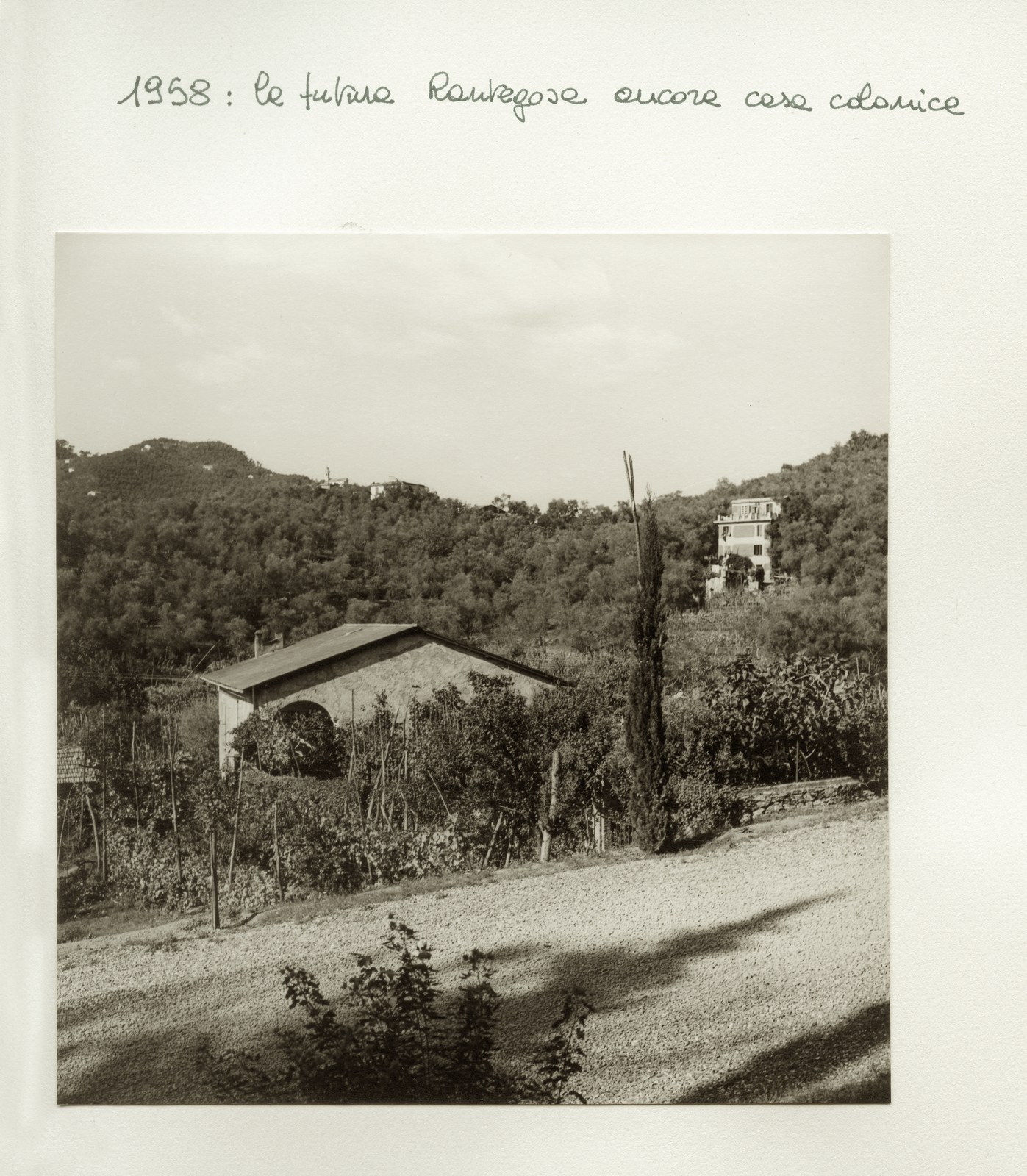
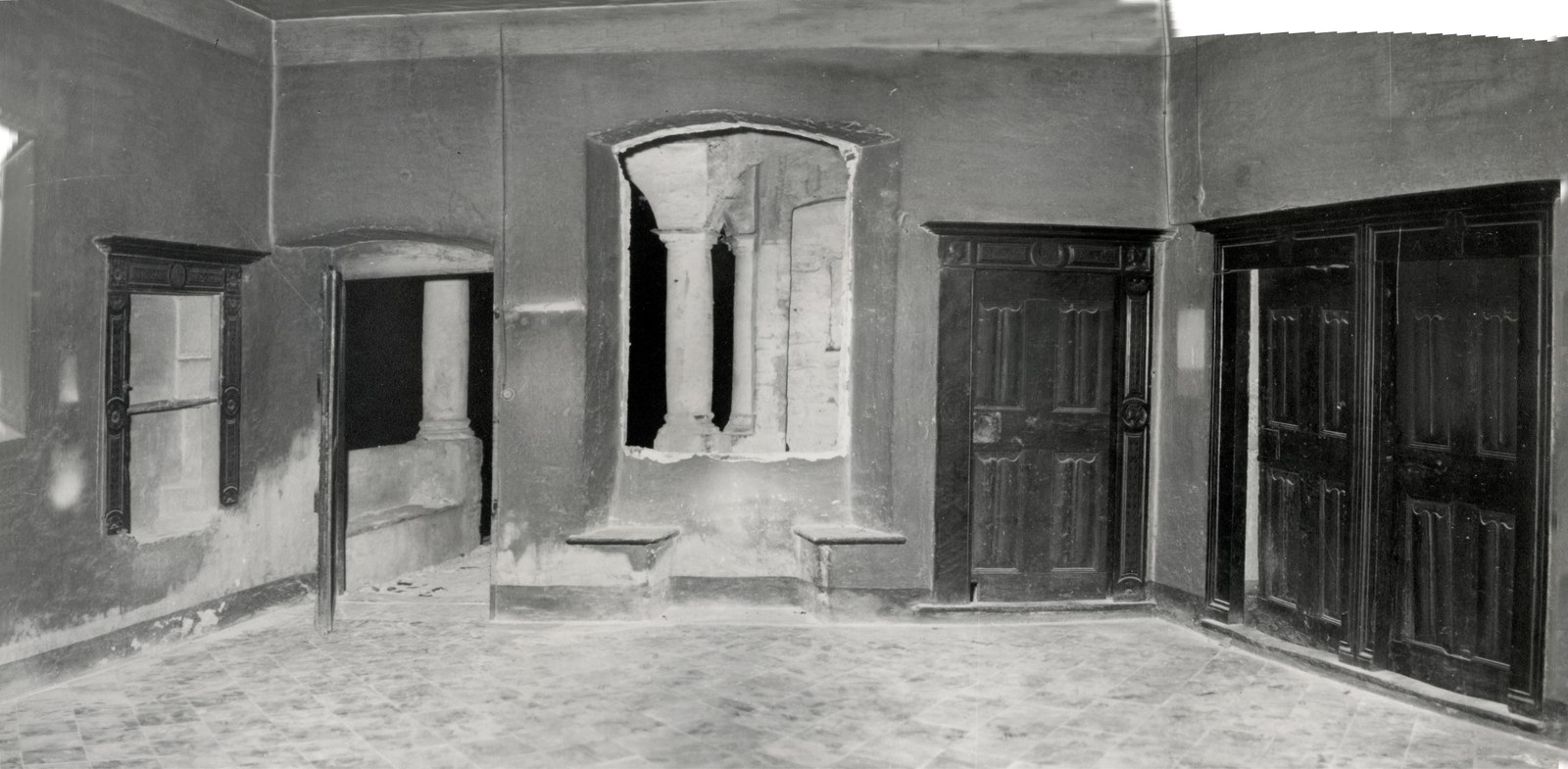
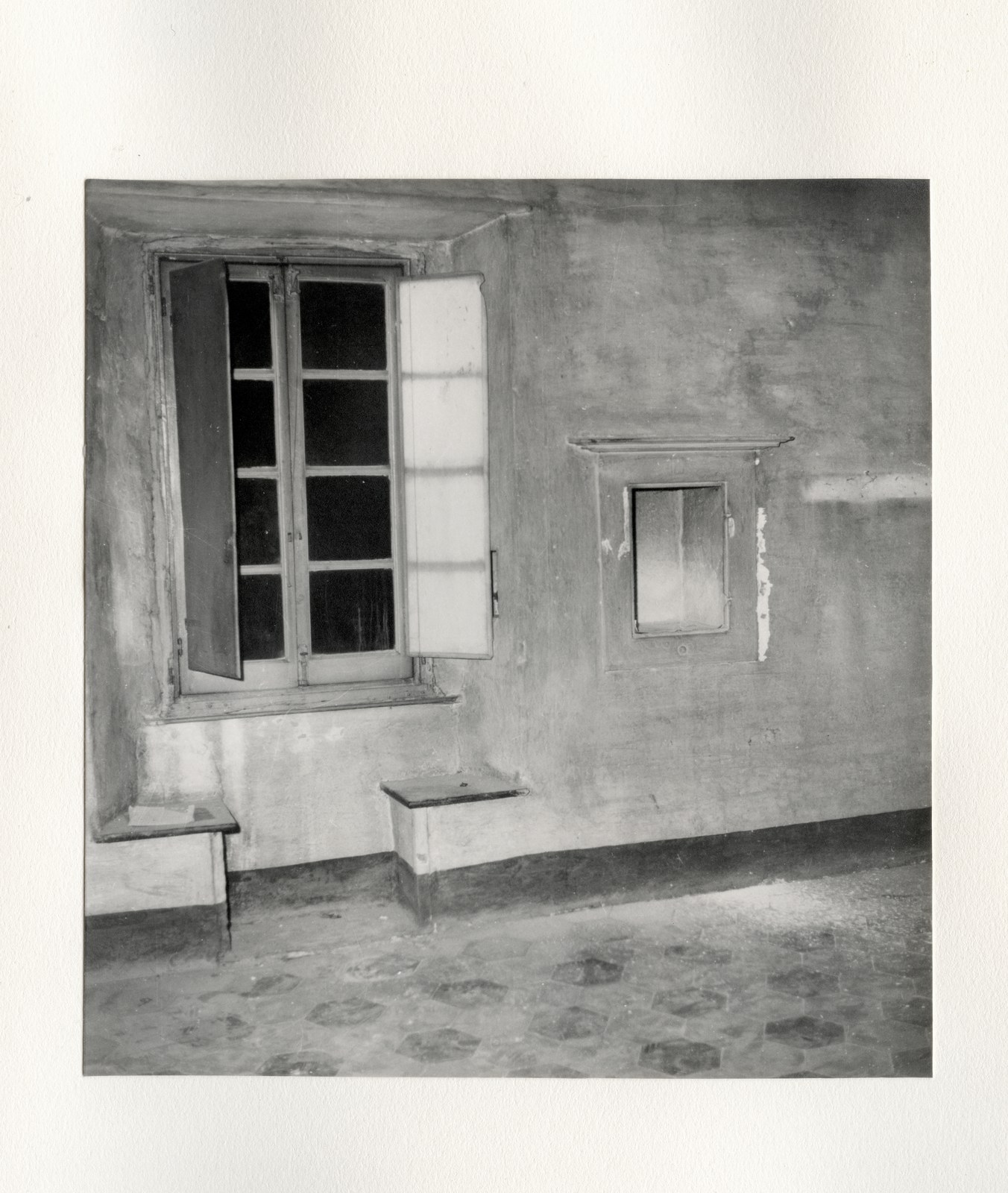
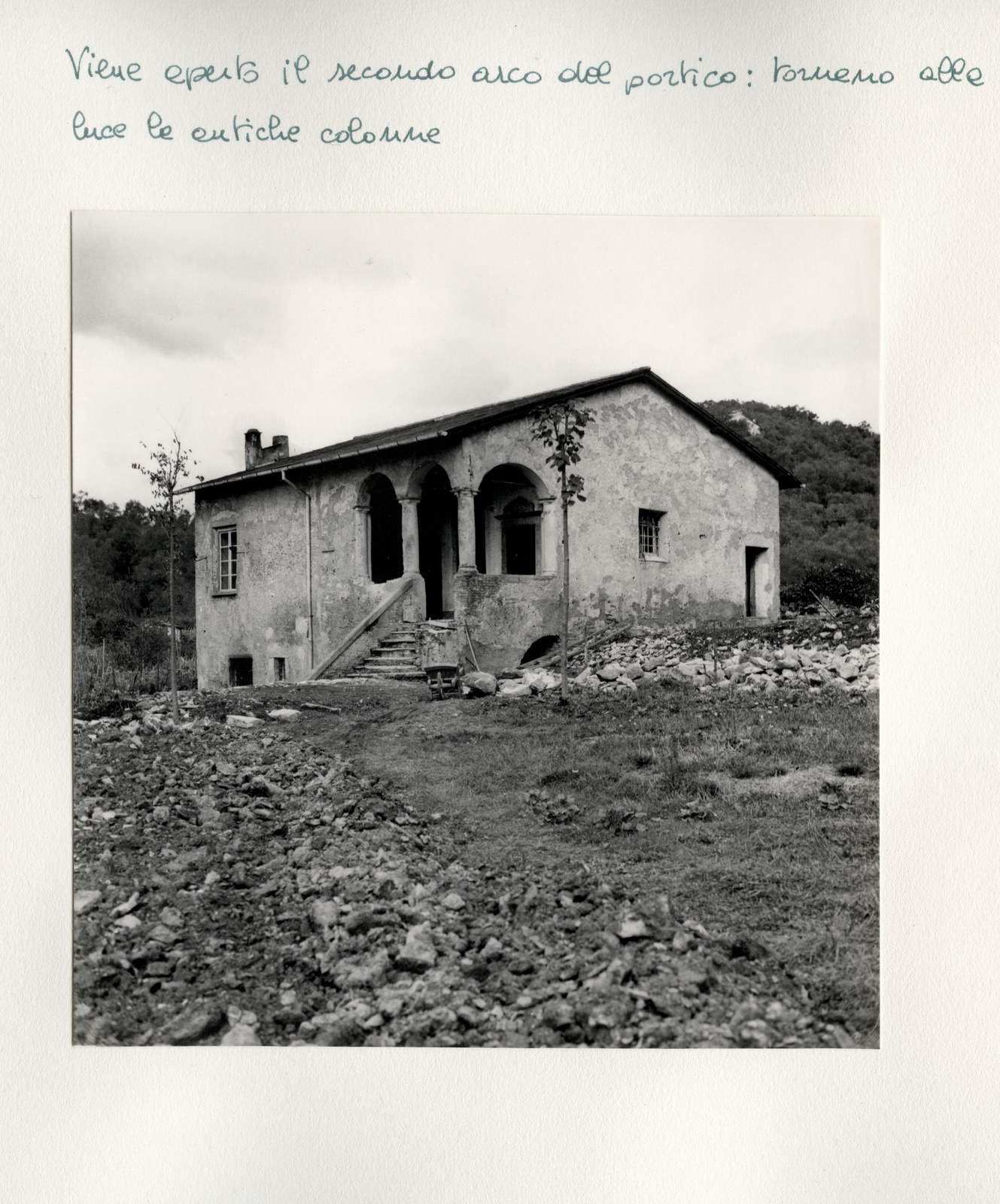
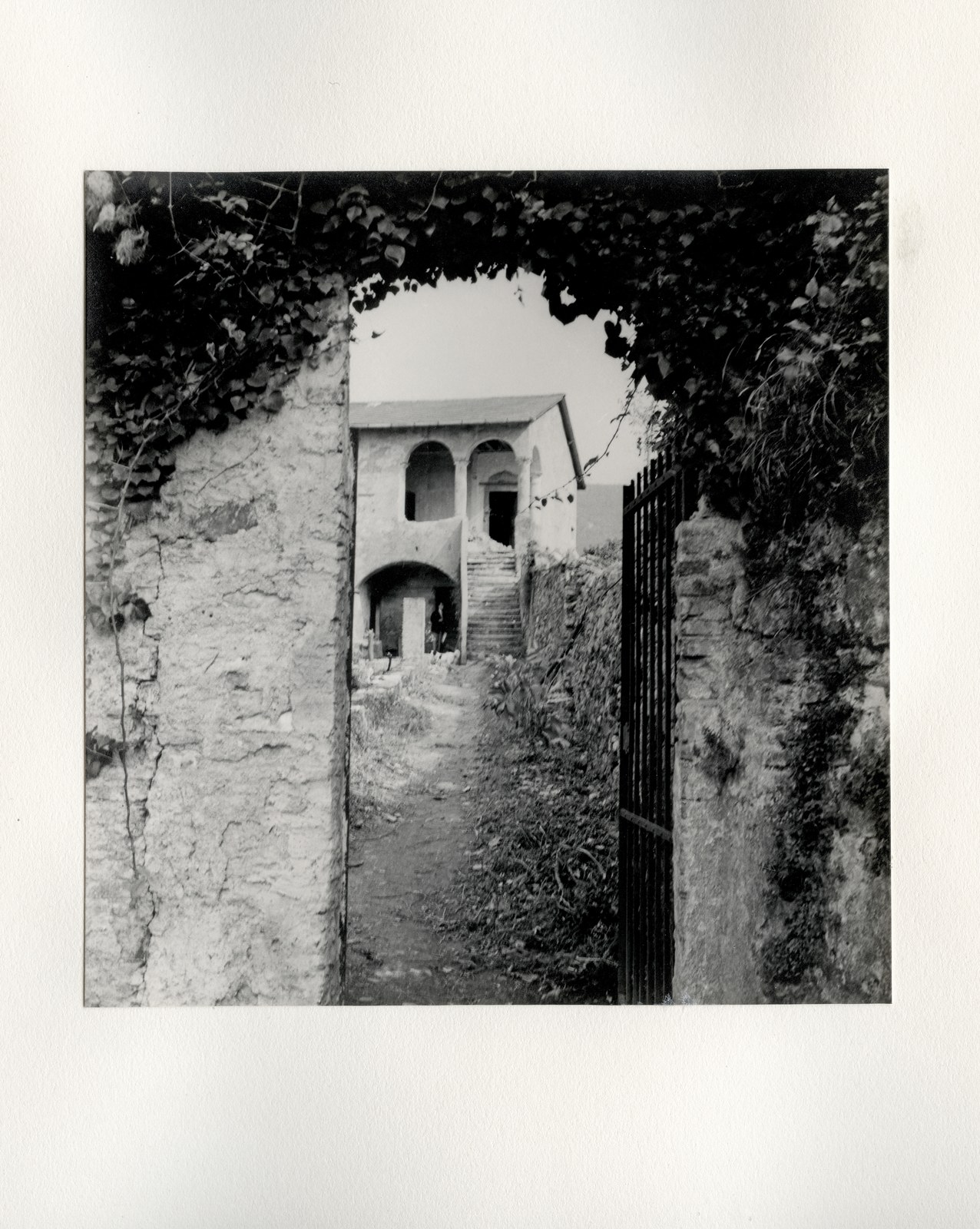
Eugenio "Gegi" Bombrini, son of Amalita Ottone, had inherited ownership of the land. At the time he lived in Rome and spent summers and holidays in Chiavari, gathering at Villa Bianca with his father and the families of his brother and sisters. The Terra Baranina land was then worked as a kitchen garden by a "manente" — the Ligurian term for a tenant farmer who cultivates someone else's land. One day the manente called him about a problem with the roof. Gegi entered this unremarkable farmhouse for the first time and noticed a series of architectural details that intrigued him: a walled-up external portico, ancient slate doorframes, the outlines of old noble windows, terracotta floors and a slate staircase that ended at the roof. He did some research and discovered the house's origins and history; he fell completely in love with it and decided to restore it as a holiday home for his family. In 1957 the major restoration works began on what would become "La Rantegosa".
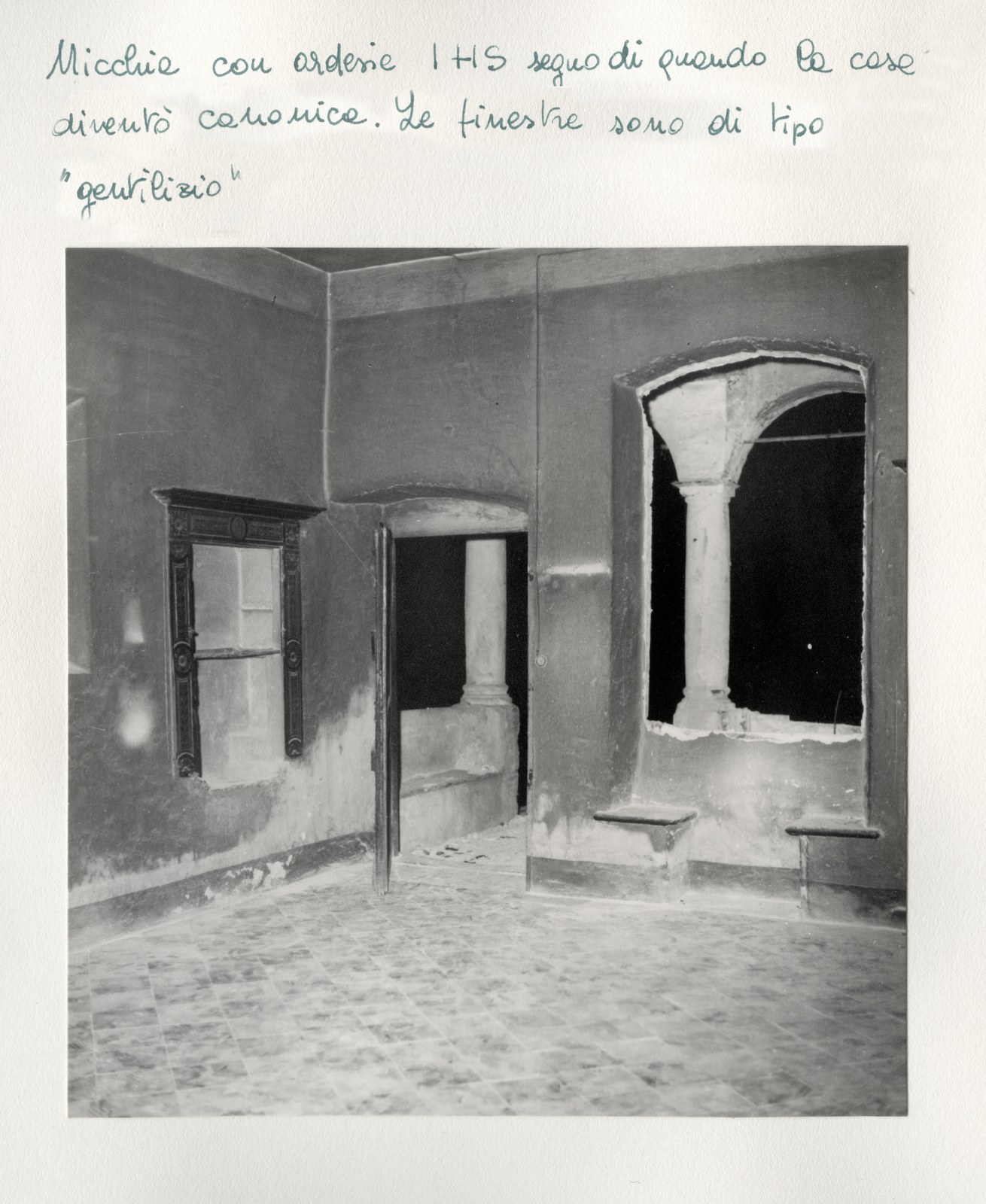
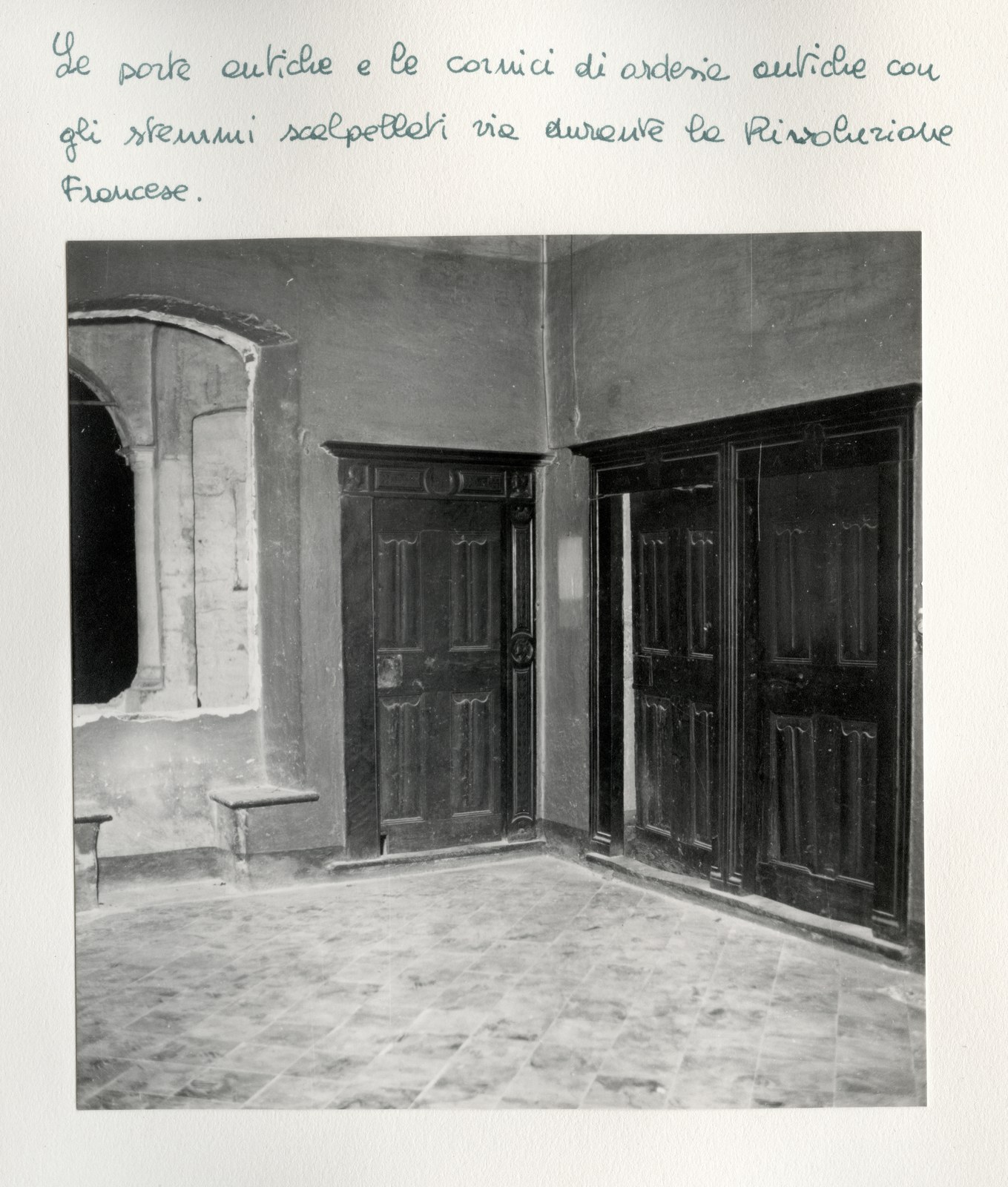
– 1960 The great
restoration
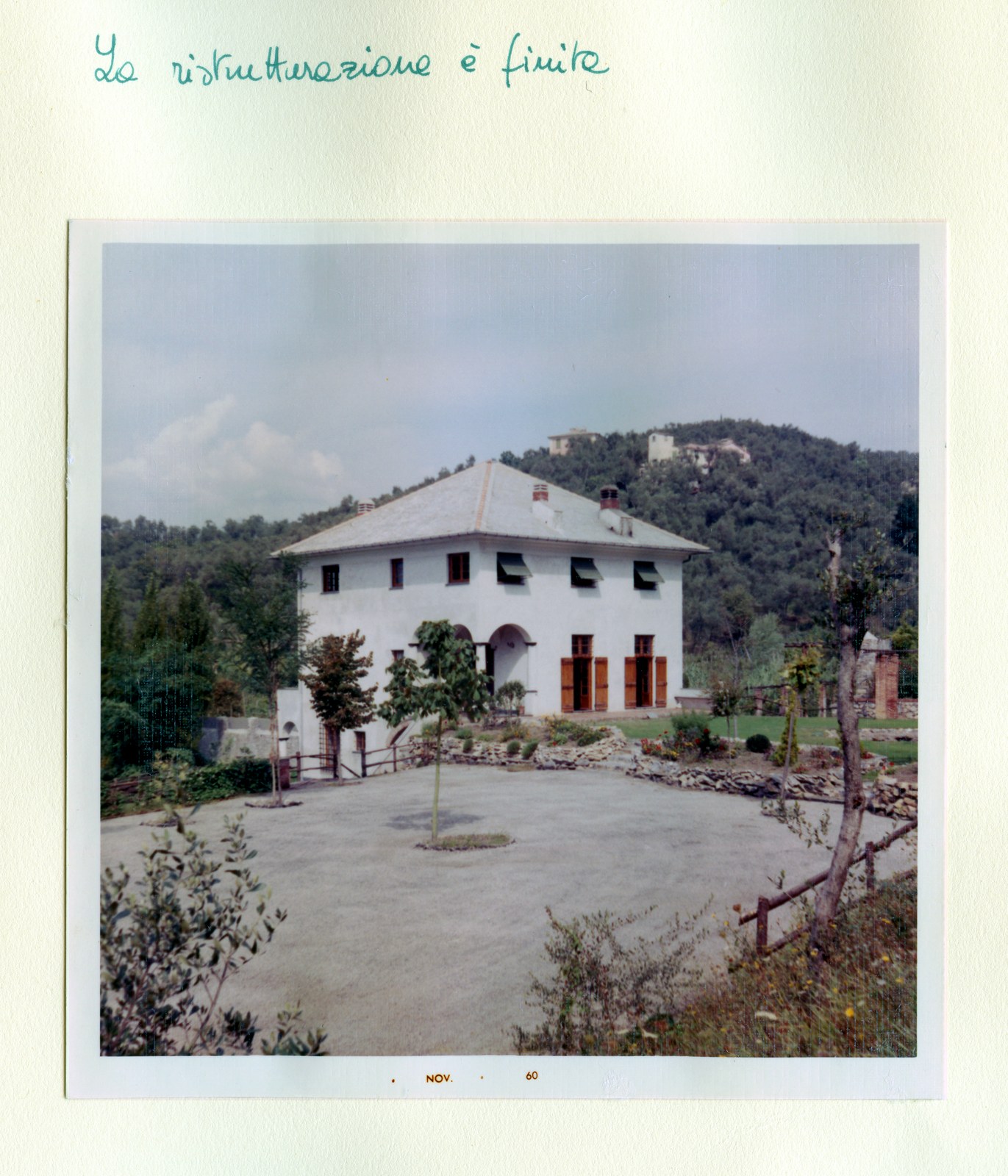
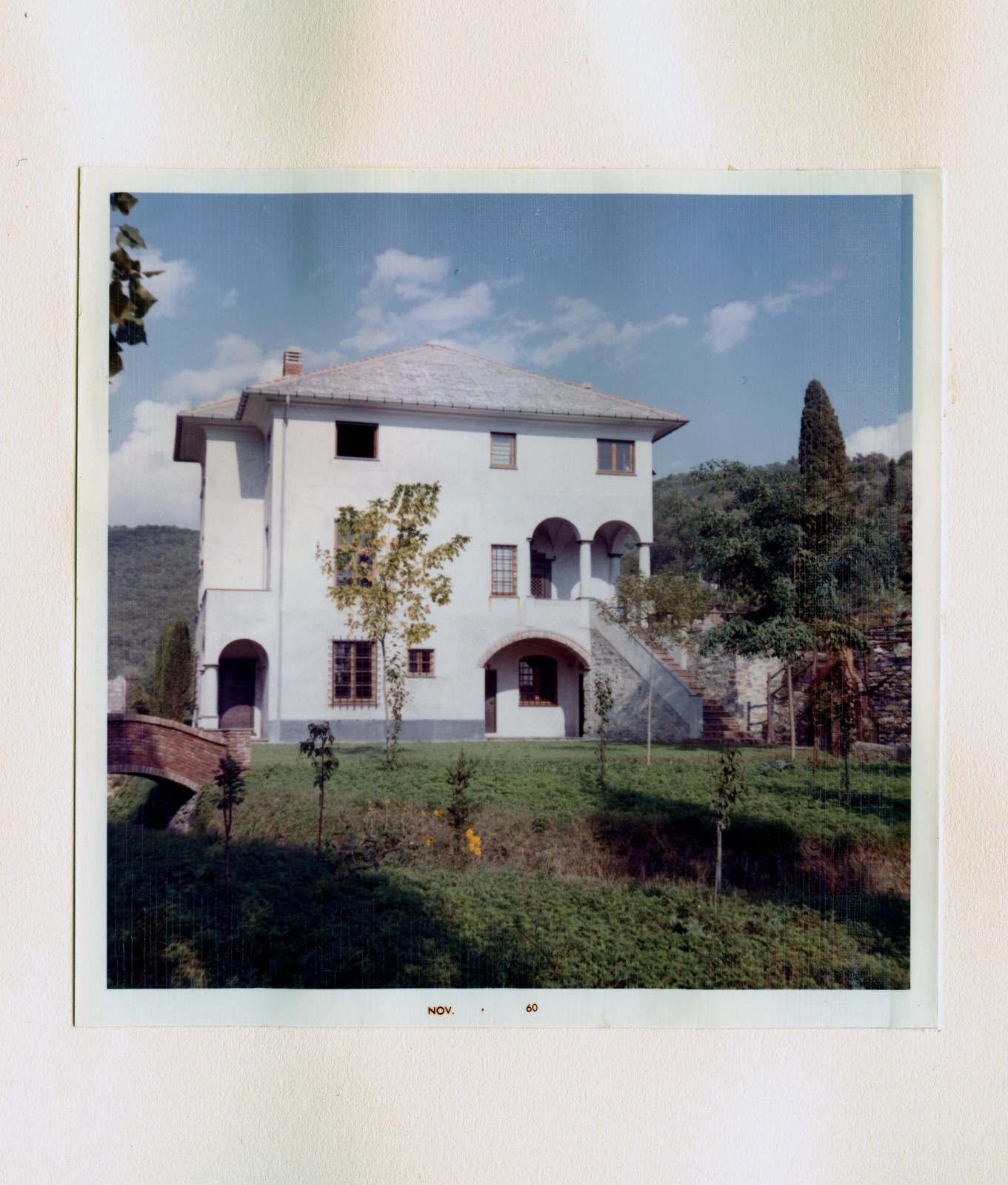
1957/1960 – The great restoration
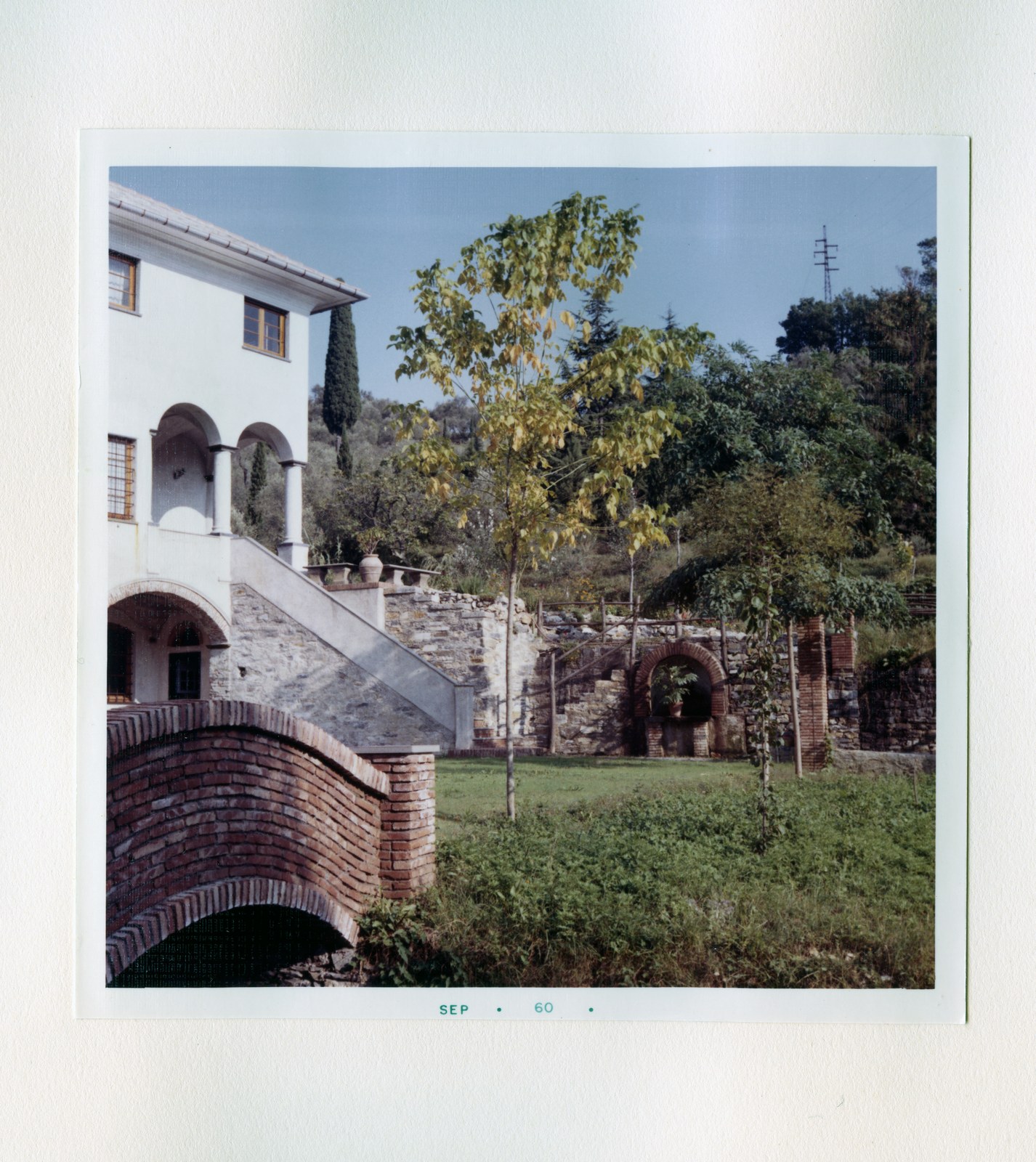
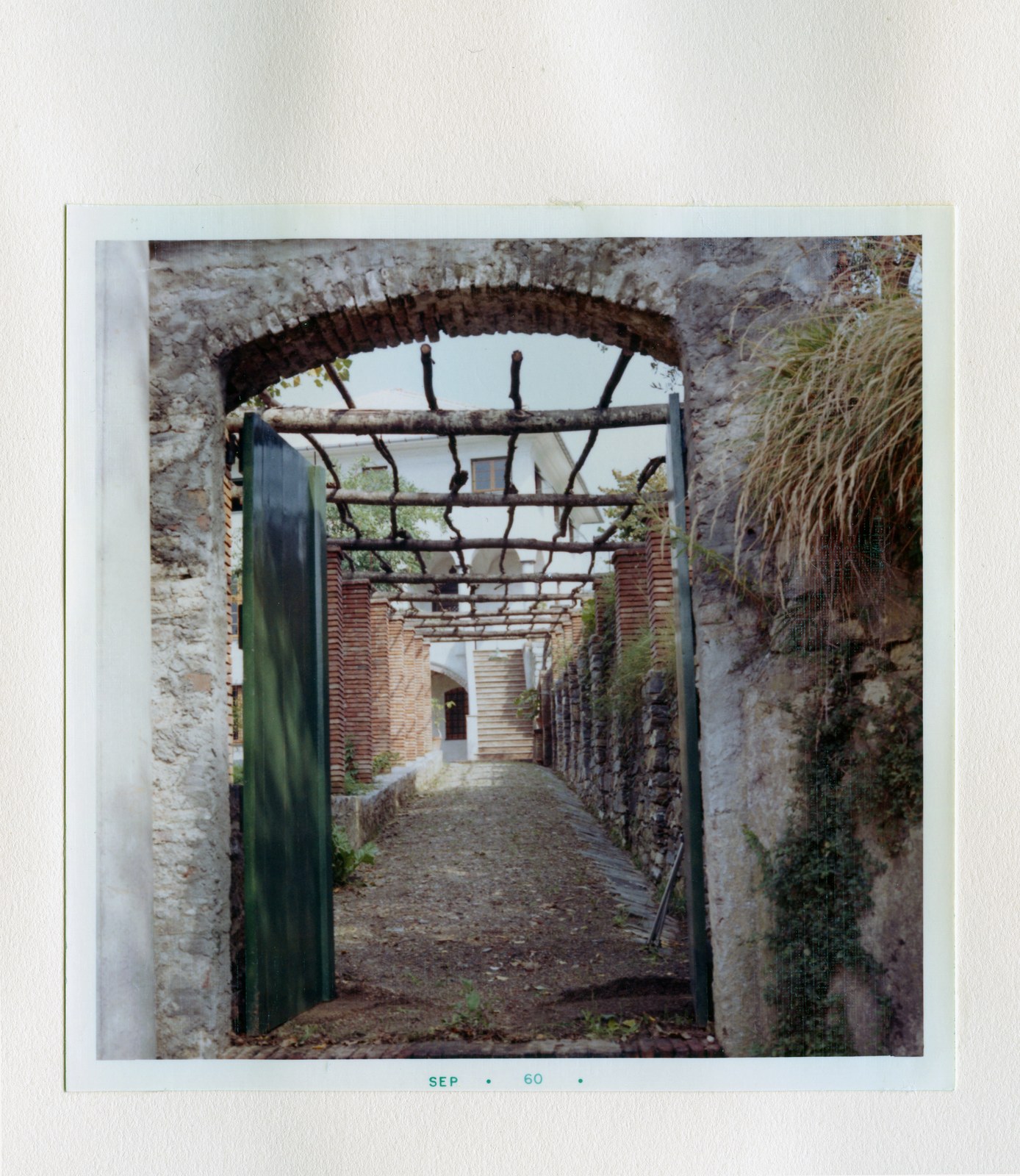
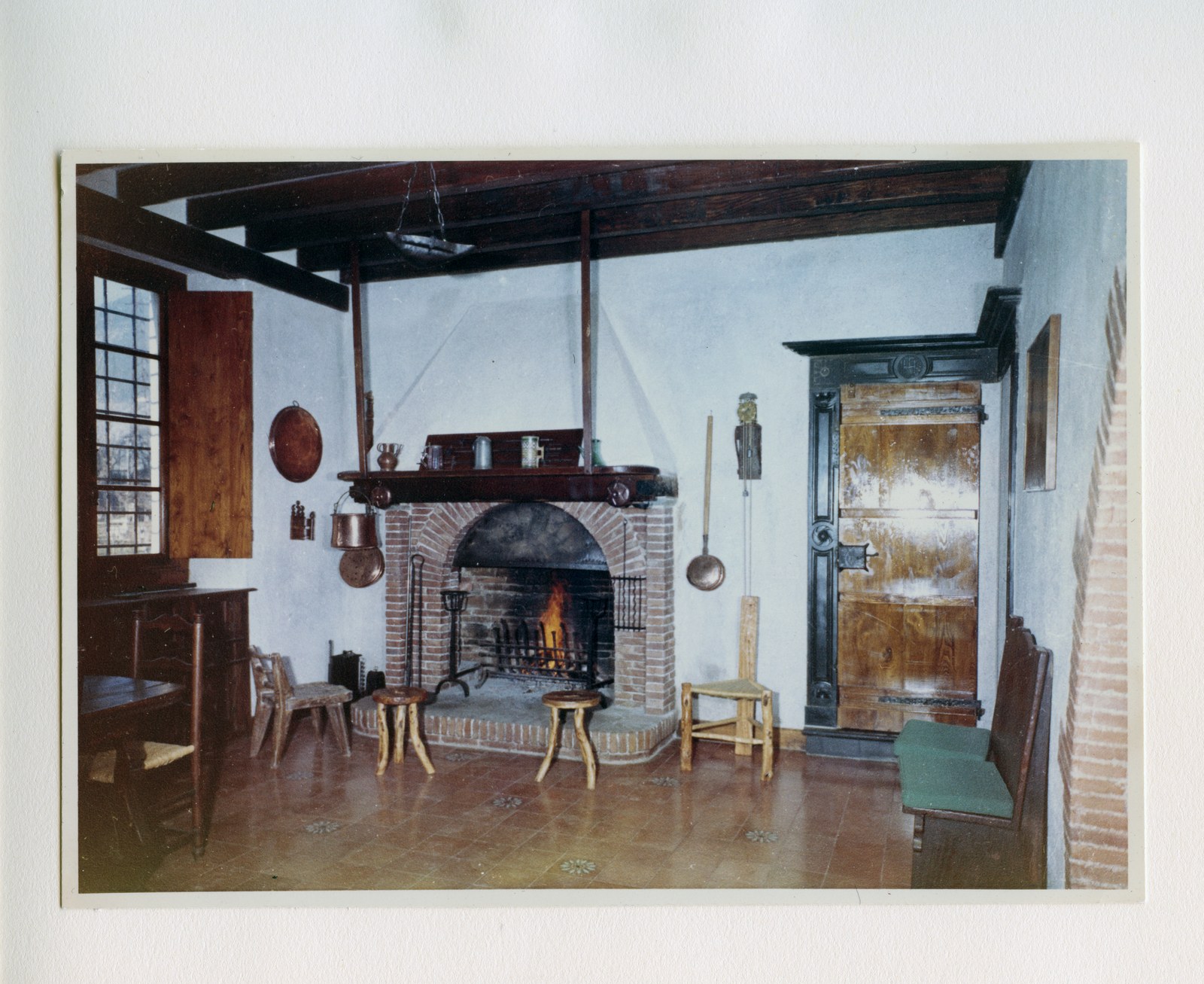
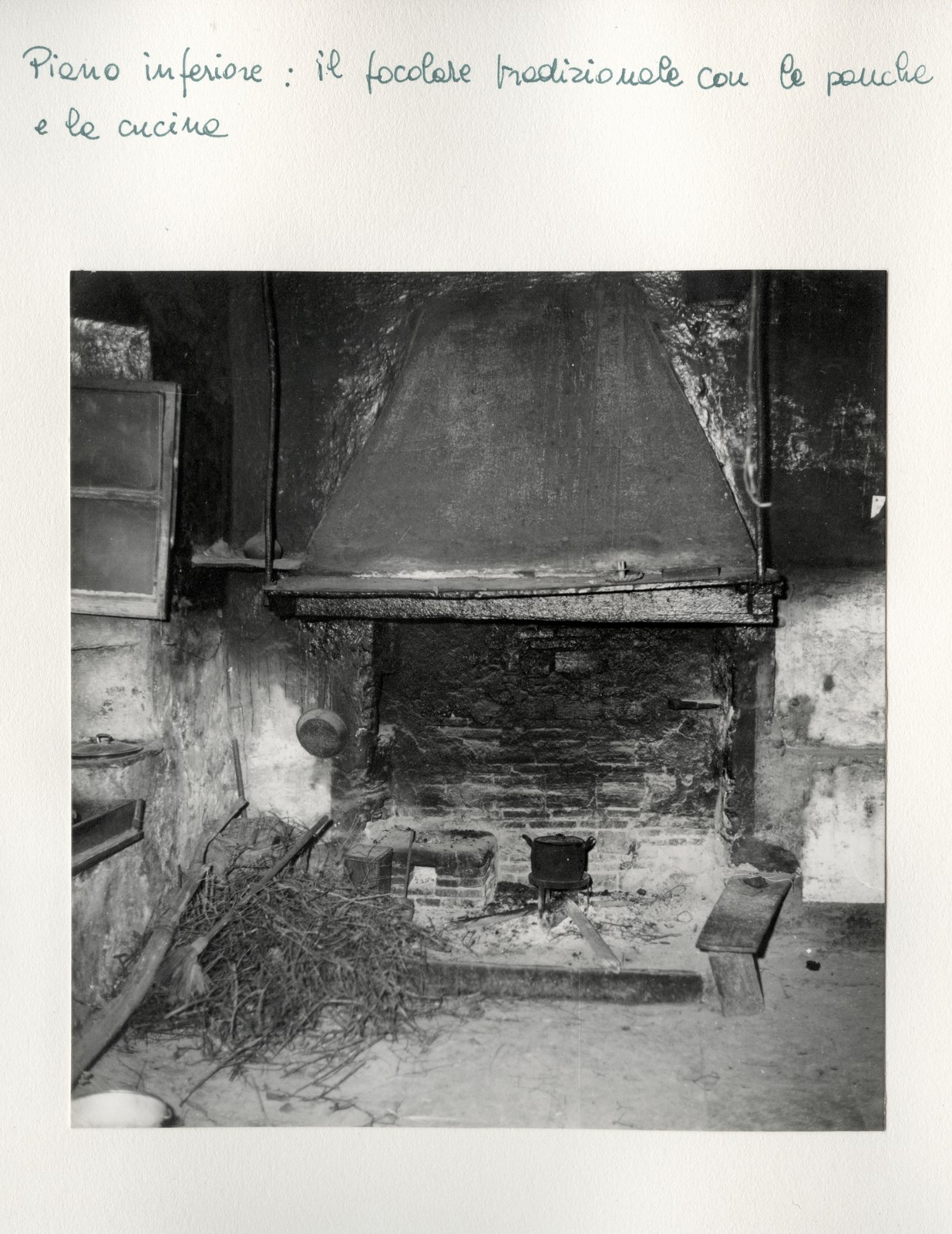
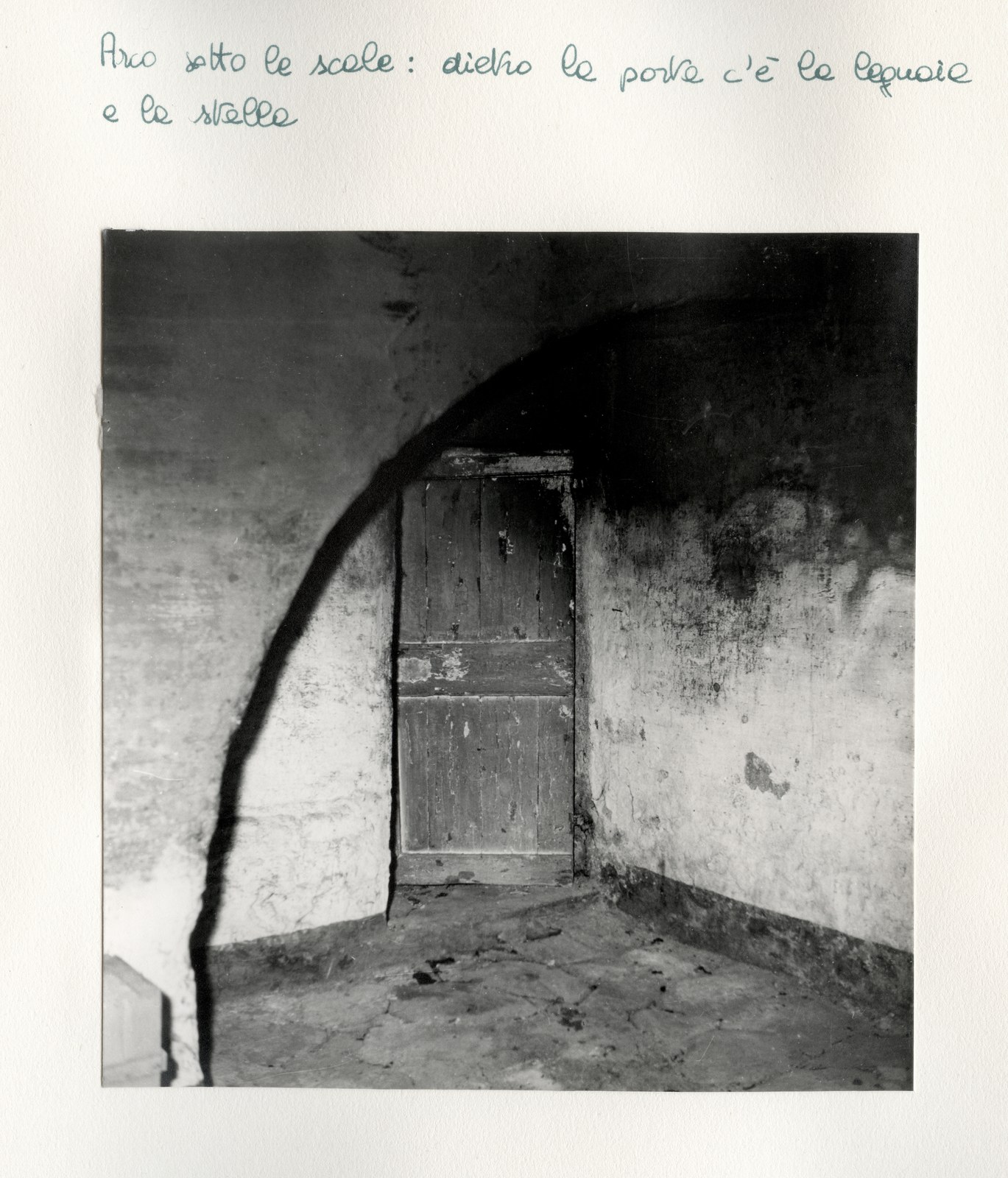
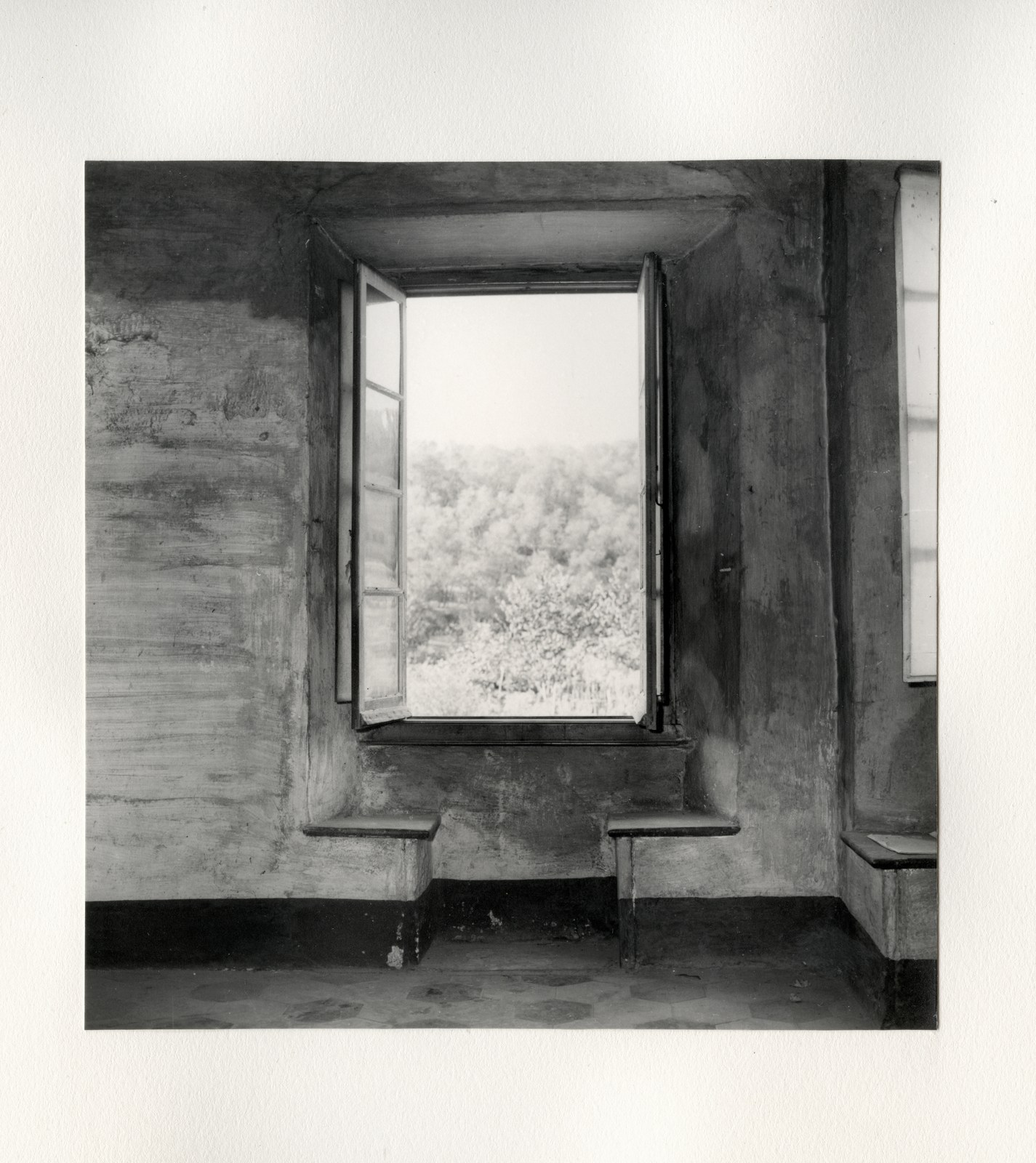
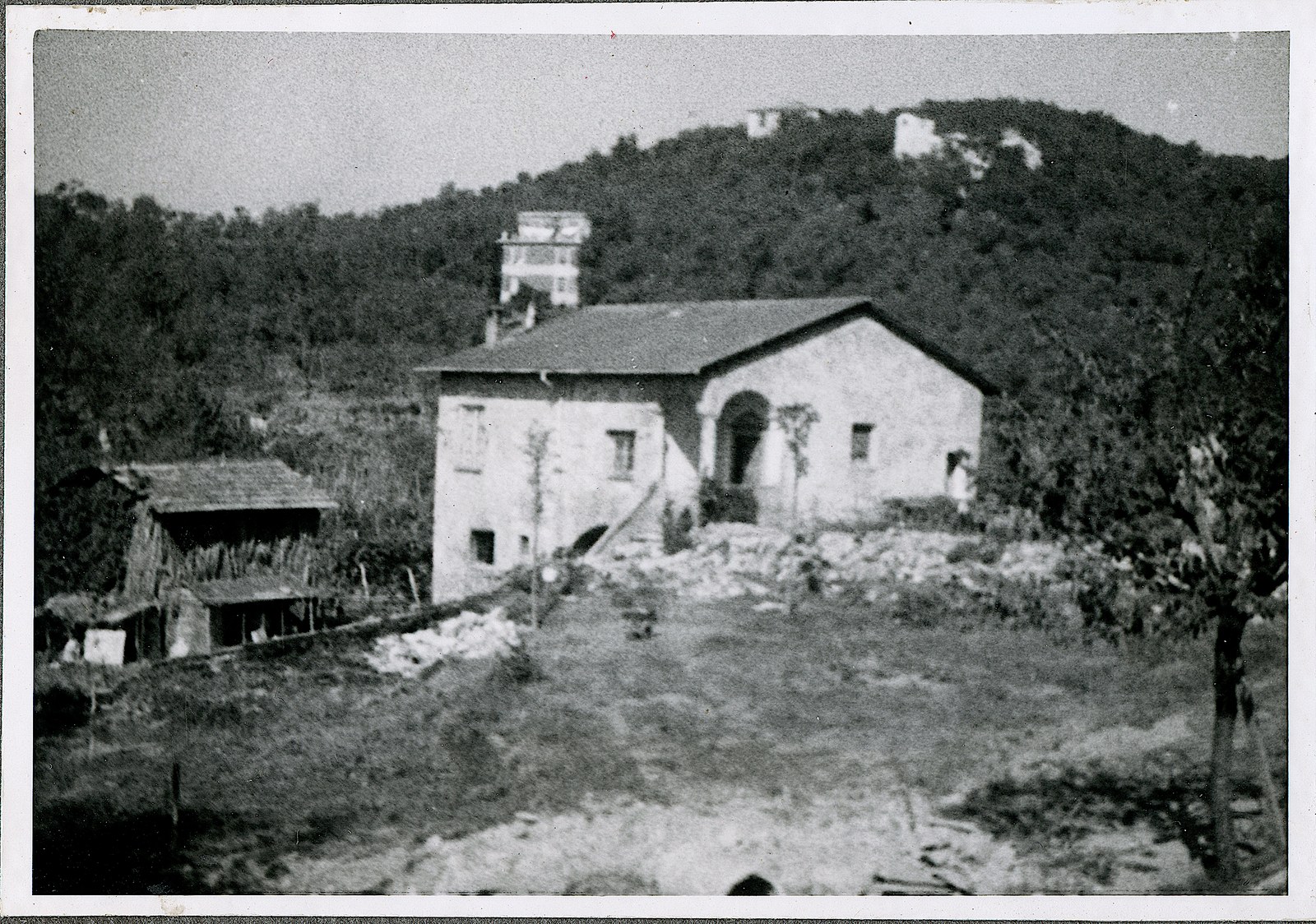
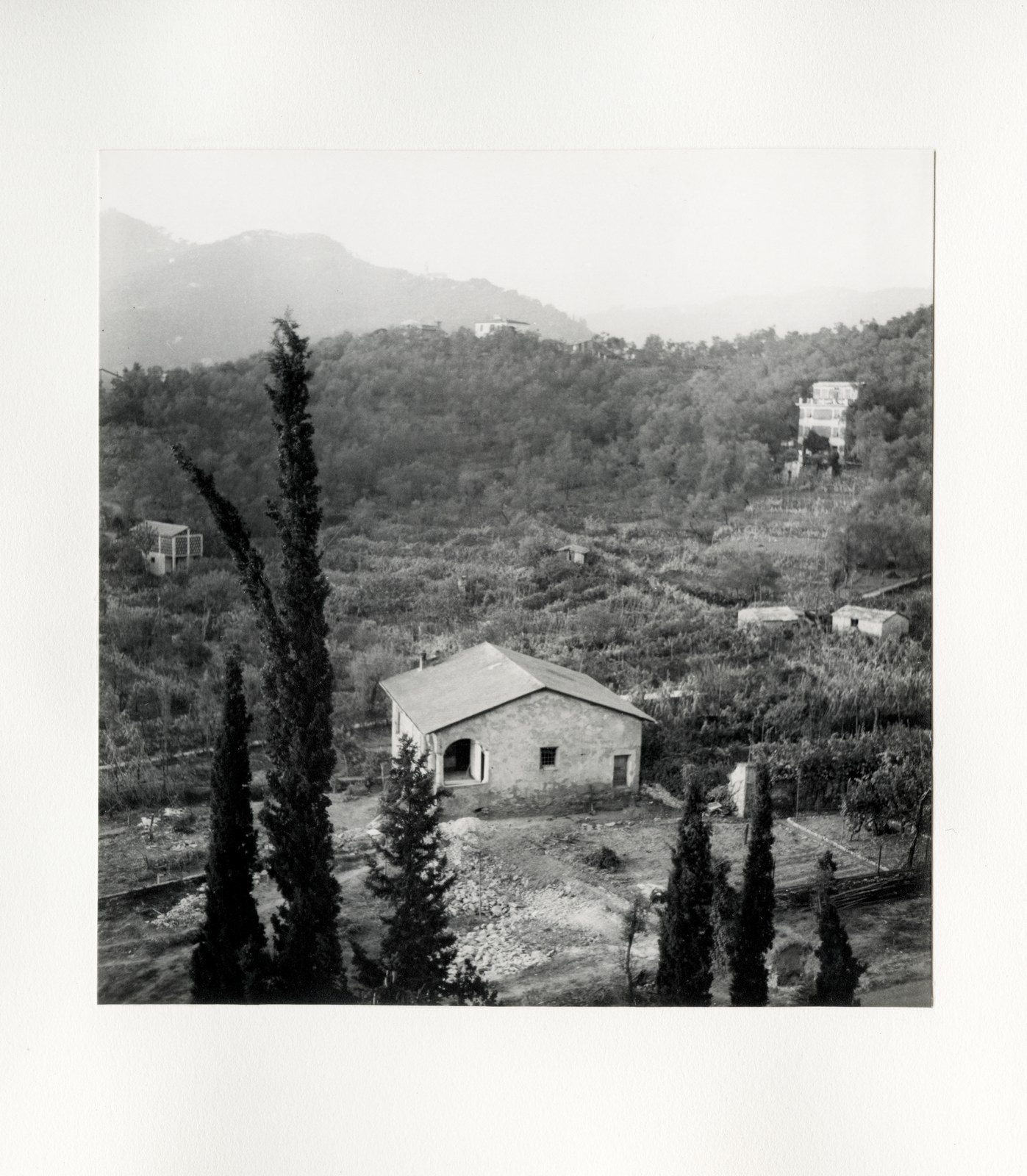
During the works the upper floor — which had collapsed over the centuries — was restored. To make the stairs less steep, a rear extension was added with two side balconies (one of which was later removed when the lift was installed). The ancient "arenino genovese" plaster — lime mixed with slate sand — was reinstated. The roof was rebuilt in the traditional four-pitched style. All the slate doorframes, niches and the decorative hearth were recovered and integrated. The entire house was restored in keeping with the original style that could be glimpsed from its architectural details: terracotta and slate floors, arenino genovese plasterwork inside as well, hand-crafted solid chestnut windows and doors. The garden work involved rebuilding two bridges over the stream and excavating a large ornamental pool in the lawn at salon level. A driveway and courtyard were created for vehicles.
1960 – A new life
The house is lived in from the summer onwards. Gegi and his wife Giulia begin to furnish it, buying rustic furniture and antiques from local dealers. In the early 1960s — the years of Italy's economic boom — many families were renewing their furnishings and discarding what they considered old-fashioned... and there were wonderful bargains to be found. The paintings are family ones. The house thus begins its new life, inhabited in summer and during winter holidays, filled with celebrations and moments of family togetherness. In this much-loved and much-lived-in house, Gegi passed away in 1989; Giulia followed him in 2017, closing another chapter in the long story of Rantegosa. A new page began to be written that same year, when renovation works started in anticipation of the new venture to be undertaken by Eugenia, the eldest grandchild of Gegi and Giulia: Relais Rantegosa was born.